Travel demand to Socotra has surged in recent weeks, while the number of available seats has not kept up — which is why many travelers are currently finding the Yemenia Jeddah–Socotra flight fully booked or extremely difficult to secure.
This update explains the main reasons behind the shortage, what’s being planned to improve availability, and how travelers can increase their chances of getting confirmed seats.
Why Jeddah–Socotra Demand Shifted Suddenly
The biggest driver is the rapid transition away from the previous Abu Dhabi route, which pushed a large share of traveler demand toward the new Jeddah gateway. Multiple reports in early January 2026 described major flight disruptions and evacuations involving hundreds of stranded visitors, highlighting how sensitive Socotra’s access is when routes change or operations pause.
Yemenia and local authorities later announced the launch of the Jeddah–Socotra line as a key step to restore regular access.
Limited Flight Frequency on the Jeddah–Socotra Route
At the moment, the route is widely listed as operating once weekly on specific days (commonly Tuesday, depending on the period/schedule). With such limited frequency, even a small spike in demand can fill the entire flight quickly.
Aircraft Capacity: 150 Seats on the Socotra Flight
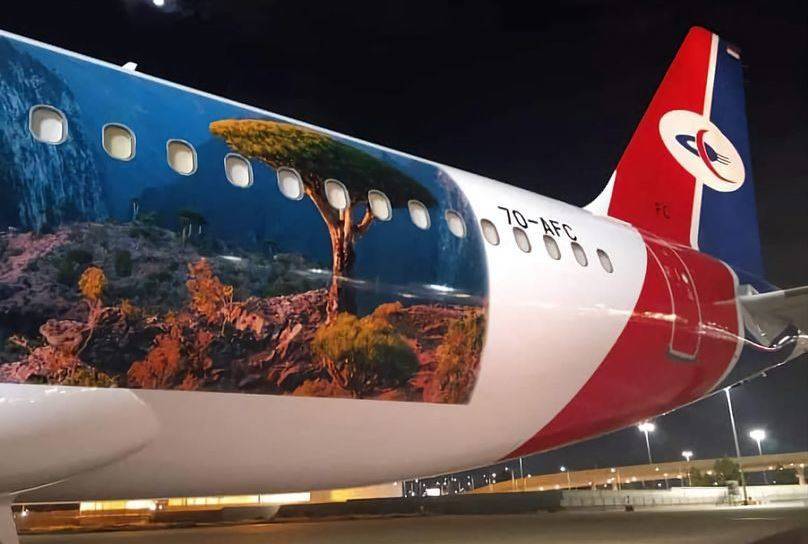
Right now, the aircraft typically operating this route is an Airbus A320-200.
However, the current configuration used for this service offers 12 Business + 138 Economy, which is simply not enough to absorb today’s demand especially during peak travel weeks and group departures.
What’s planned next: upgrade to a larger 180-seat aircraft
To respond to the pressure, there is a plan to switch to a larger aircraft A320-200 (V.2) with around 180 seats, which should significantly improve seat availability once implemented.
Why Socotra Flights Feel Tighter Than Before
Under the previous Abu Dhabi setup, operations often included multiple flights per week, but on a smaller aircraft. For example, the Abu Dhabi aircraft used for tourist flights was commonly referenced as having around 89 passenger seats — meaning capacity existed, but it was distributed differently across the week.
Today, demand is concentrated into fewer departures, so flights sell out faster.
Other Factors That Affect Seat Availability
Even when demand is strong, airline seat release can be constrained by practical operating realities, such as:
- airport handling capacity and turnaround limitations
- aircraft rotation changes across the airline network
- short-notice schedule adjustments
- group allocations and operational seat controls on high-demand sectors
These dynamics are especially common on routes with limited frequency.
How to Get Seats on Jeddah–Socotra Flights
If you’re trying to book Jeddah–Socotra:
- Book early (as soon as your travel window is confirmed)
- Be flexible by 1–3 days if possible
- Avoid peak departure clusters (large group weeks fill fastest)
- Send passenger details early so we can act quickly when seats open
What 2Socotra Is Doing to Help Travelers
We are actively monitoring availability and working through the correct channels to secure confirmed seats as they are released. The goal is simple: get you confirmed travel to Socotra with the most reliable routing currently available.
Socotra Flights FAQ
Is Yemenia flying Jeddah–Socotra on an Airbus A320?
Yes, it’s commonly listed as A320 on route schedules.
Why do seats disappear so fast?
Because frequency is limited and demand shifted heavily to Jeddah after earlier disruptions and route changes.
Will availability improve soon?
It should improve once the larger-capacity aircraft (around 180 seats) is deployed and operations stabilize.